A 1957 IRS ruling confirms The ARC of Washington’s federal tax-exempt status and outlines the benefits, limitations, and reporting requirements tied to its 501(c)(3) designation.
Mike Raymond’s journey from life inside Rainier School to becoming one of Washington’s most influential self-advocates helped shape the state’s disability rights movement and continues to guide efforts toward community-based supports today.
In the 1960s, national exposure of civil rights abuses in institutions—including Willowbrook, Pennhurst, and the documentation in Christmas in Purgatory—helped launch the modern disability rights movement.
Diana reflects on her decades of work in Washington’s disability community, including supporting Advocacy Days and the Self Advocates in Leadership (SAIL) program. She shares why listening to self-advocates is essential, how stories from people who lived in institutions shaped change, and the progress she’s seen in moving toward true community inclusion.
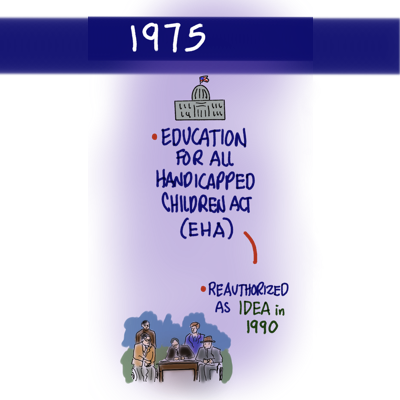
This document provides congressional history, committee explanations, and statutory language related to federal legislation on the education of children with disabilities, detailing the intent, requirements, and protections included in the law.
This document explains Washington’s early efforts in 1970–71 to expand educational services for children with disabilities, including new requirements for school districts, guidance for identifying and serving students, and advocacy efforts under “Education for All.”
These minutes outline a 1971 Steering Committee meeting focused on organizing Washington’s implementation of mandatory education for children with disabilities and establishing the ad hoc committees needed to guide policy, eligibility, program standards, and oversight.
State officials in 1970 discuss the large number of unserved children with disabilities in Washington and propose a meeting to identify the scope of the issue, current gaps, and possible solutions.