DDC History and Visioning

2010's

2010's

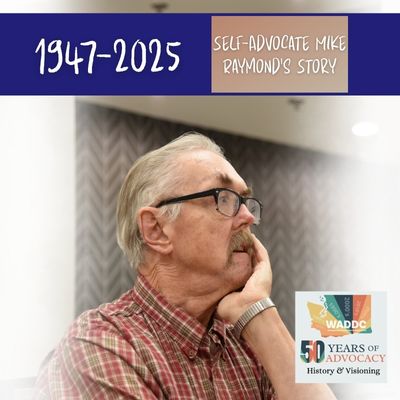
1945-2025: Self-Advocate Mike Raymond's Story
Mike Raymond’s journey from life inside Rainier School to becoming one of Washington’s most influential self-advocates helped shape the state’s disability rights movement and continues to guide efforts toward community-based supports today.
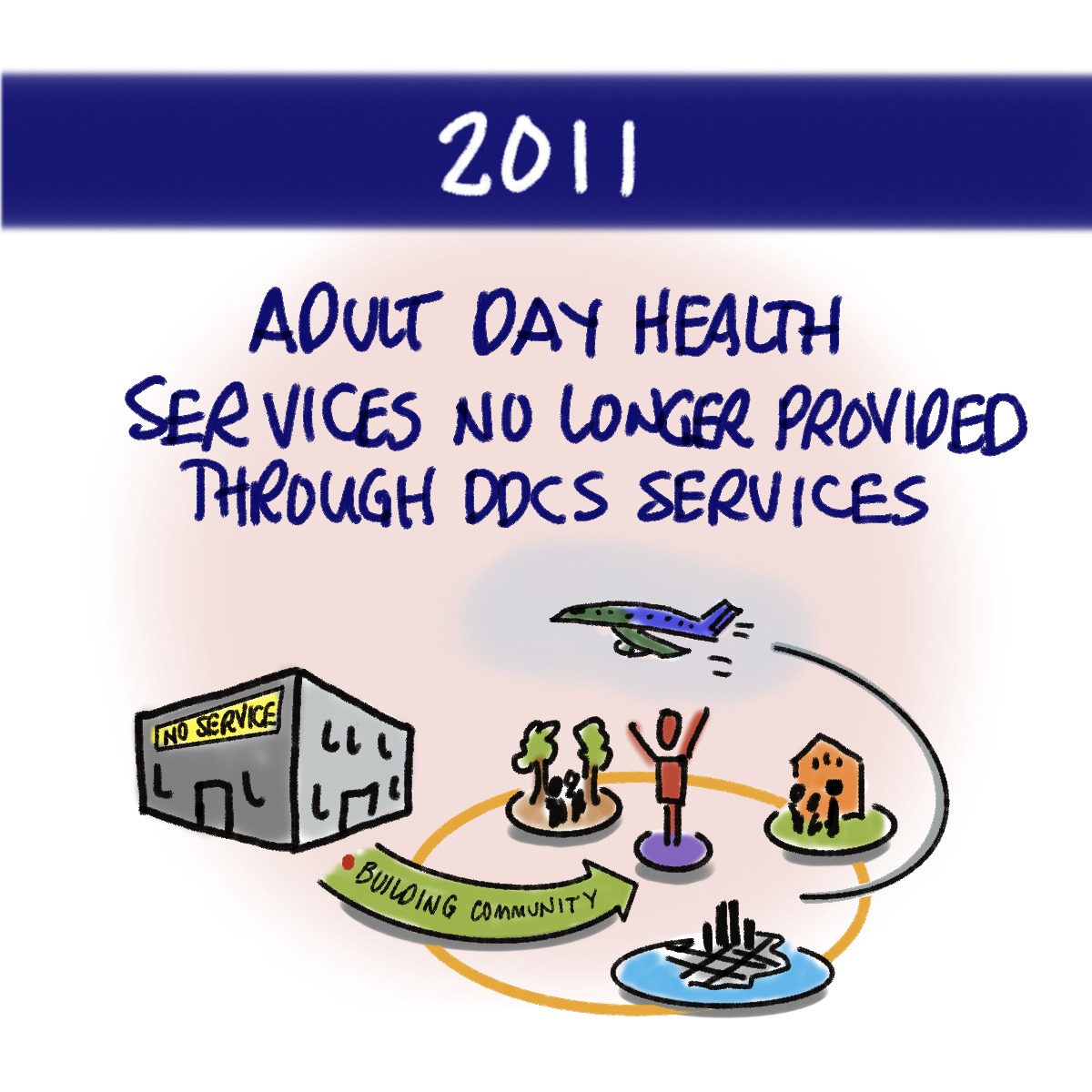
2011: Workgroup on Adult Day Health Services
In 2011, Washington shifted Adult Day Health services out of the developmental disabilities system as part of broader reforms prioritizing employment and community-based supports
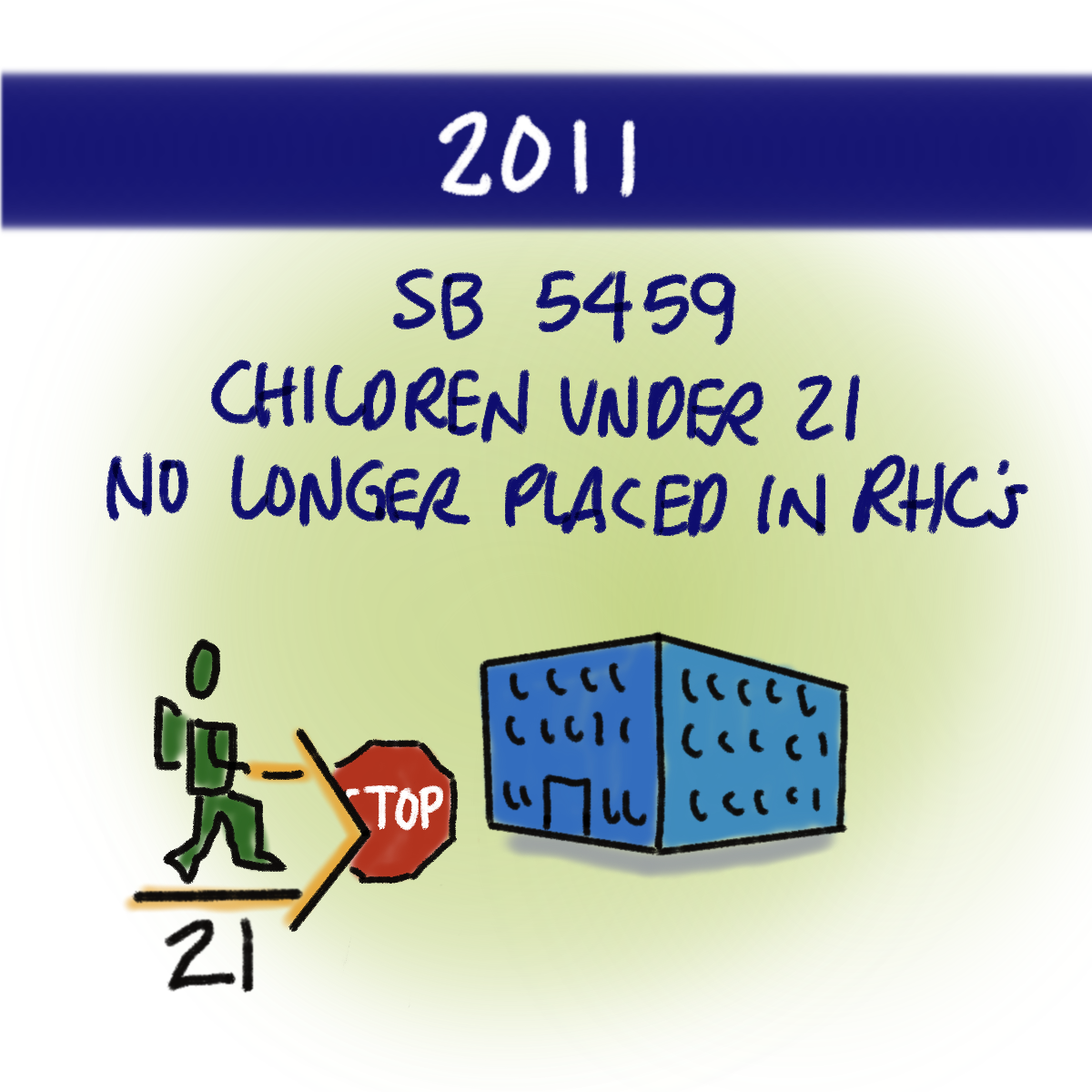
2011 Ending Placement of Children in RHC’s
In 2011, Washington State passed SB 5459, ending placement of children under 21 in residential habilitation centers and reinforcing a shift toward community-based care.
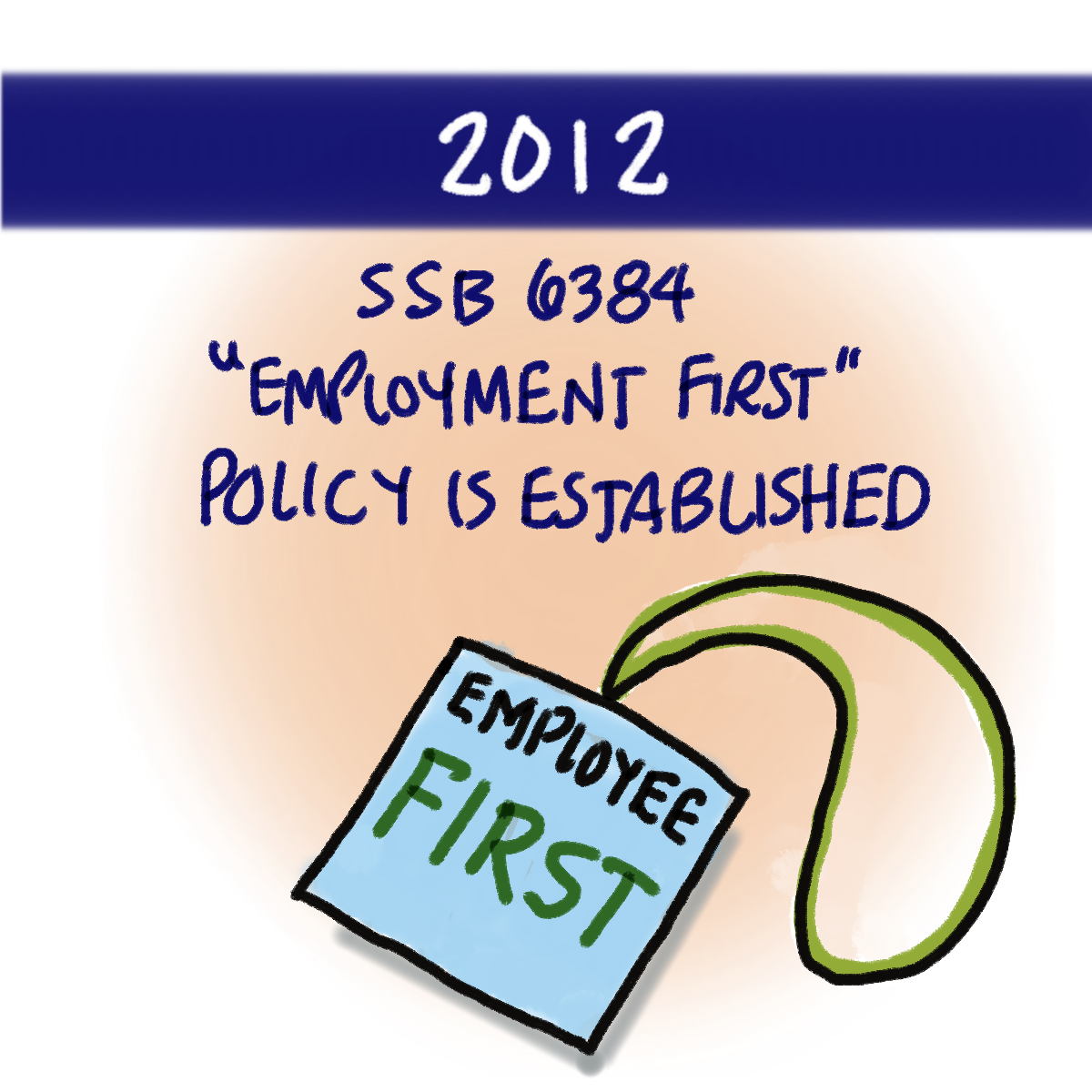
2012 Employment First Policy
In 2012, Washington established Employment First, prioritizing integrated employment.
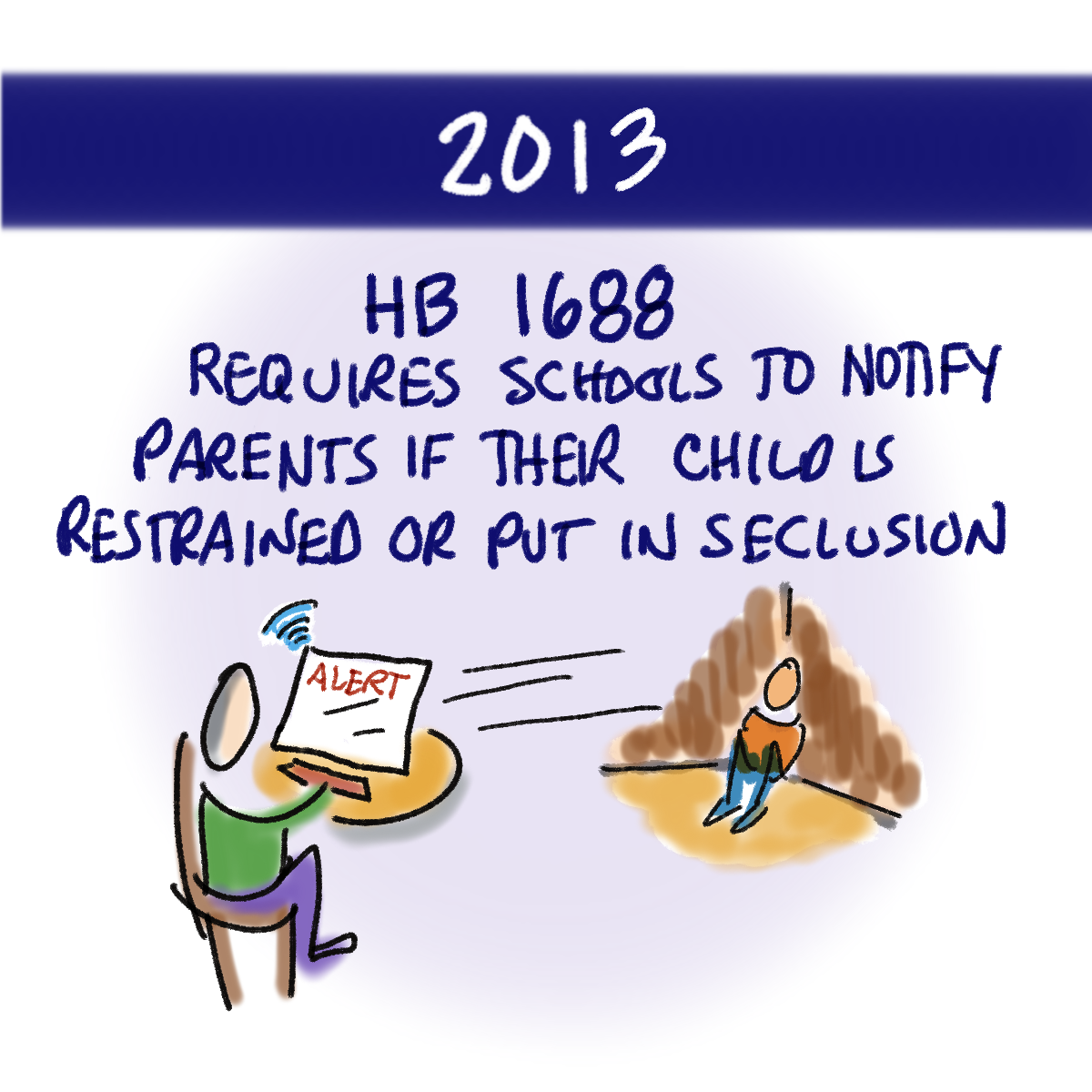
2013: Parent Notification for Restraint and Seclusion
In 2013, Washington required schools to notify parents when restraint or seclusion is used.
2014 Expanding Community-Based Services
In 2014, Washington State passed SB 6387 to modernize how home and community-based services are delivered for people with developmental disabilities.
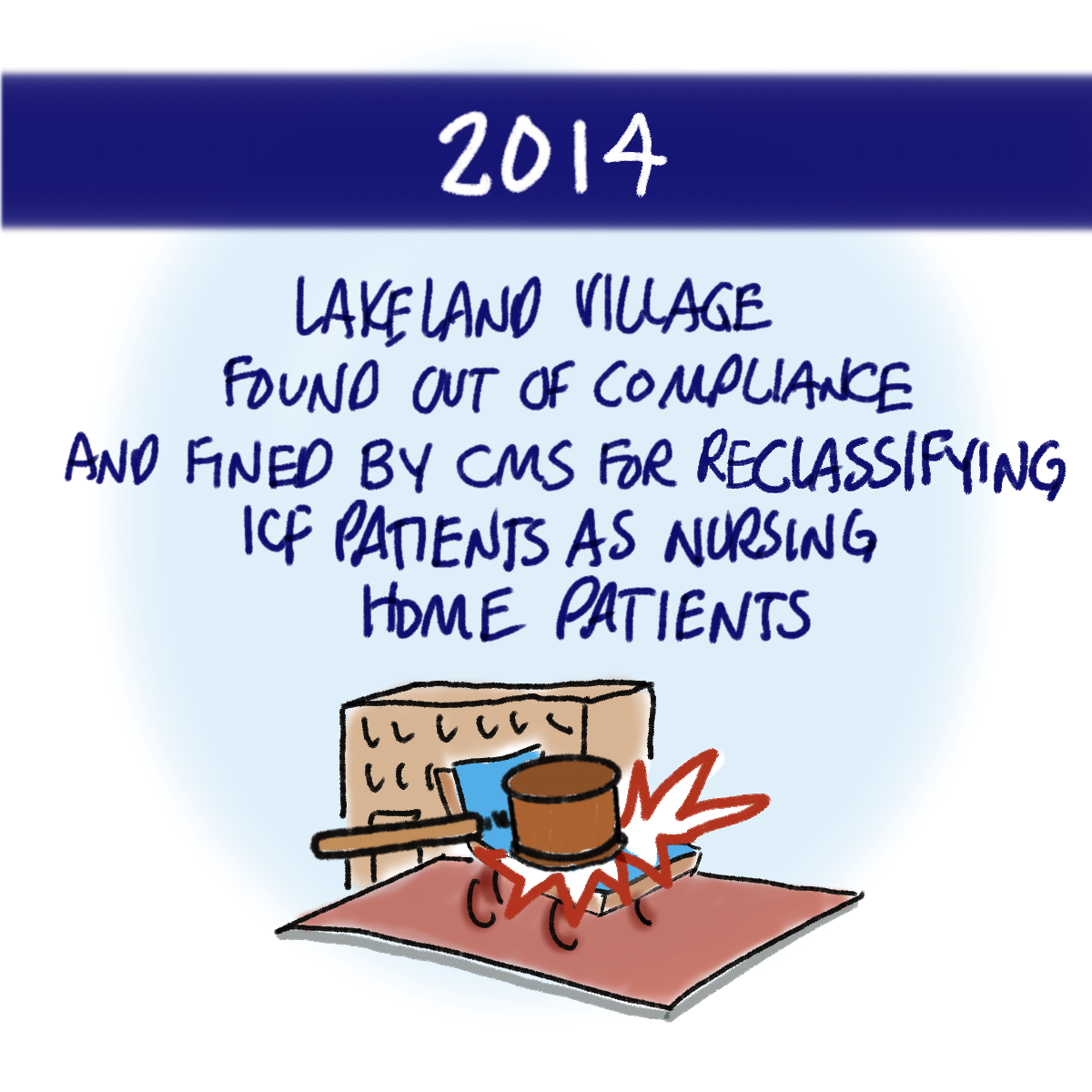
2014–2015: Lakeland Village Cited for Serious Care Violations
Federal findings at Lakeland Village exposed serious gaps in care and led to corrective action and increased oversight.
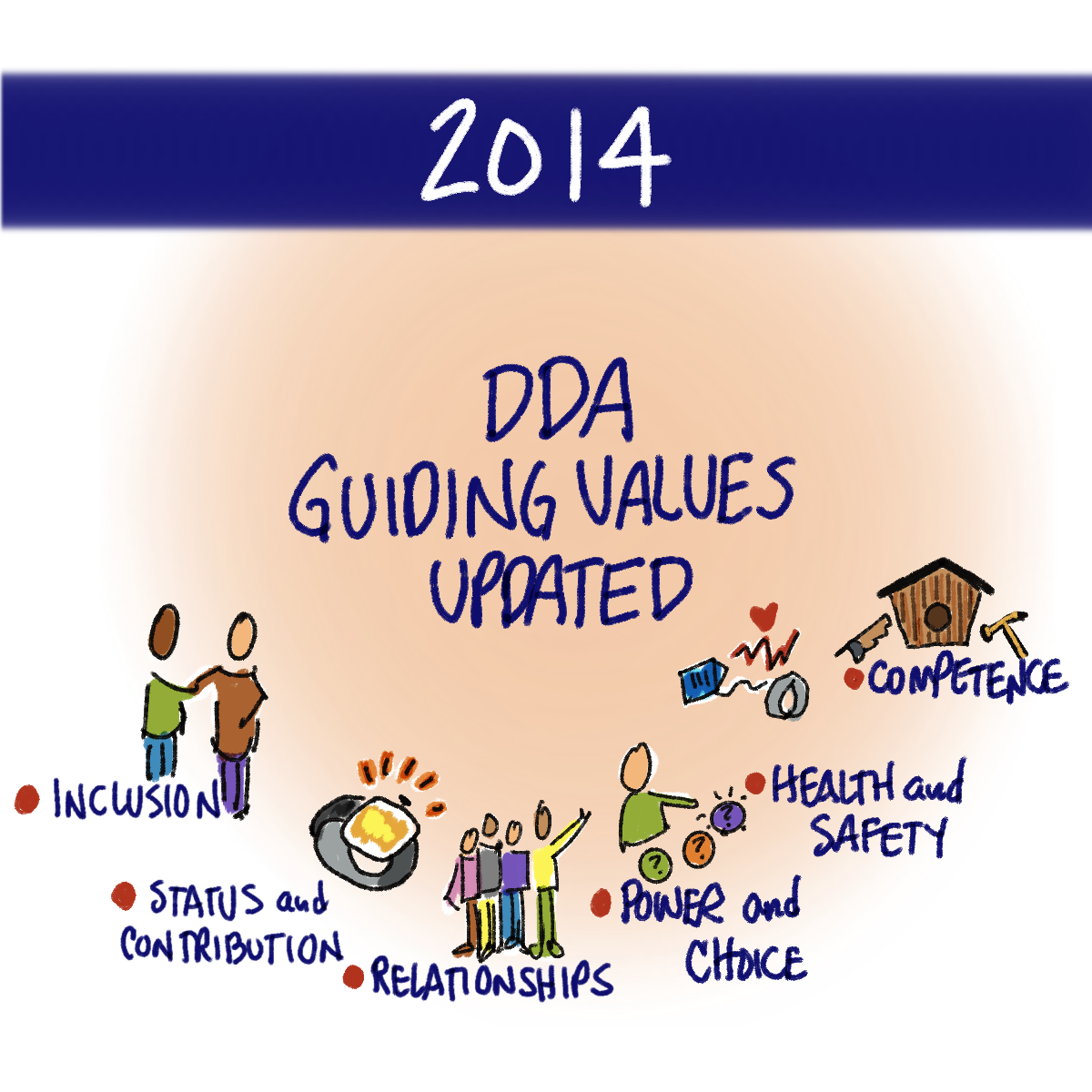
2014–present: Guiding Values Shape How Services Are Delivered
Since 2014, DDCS’s guiding values have increasingly centered inclusion, choice, and community-based support.
2015 SB 5679: Transition Services Starting at Age 16 (or Earlier)
In 2015, Washington strengthened transition planning in special education, requiring earlier and more individualized preparation for life after high school.
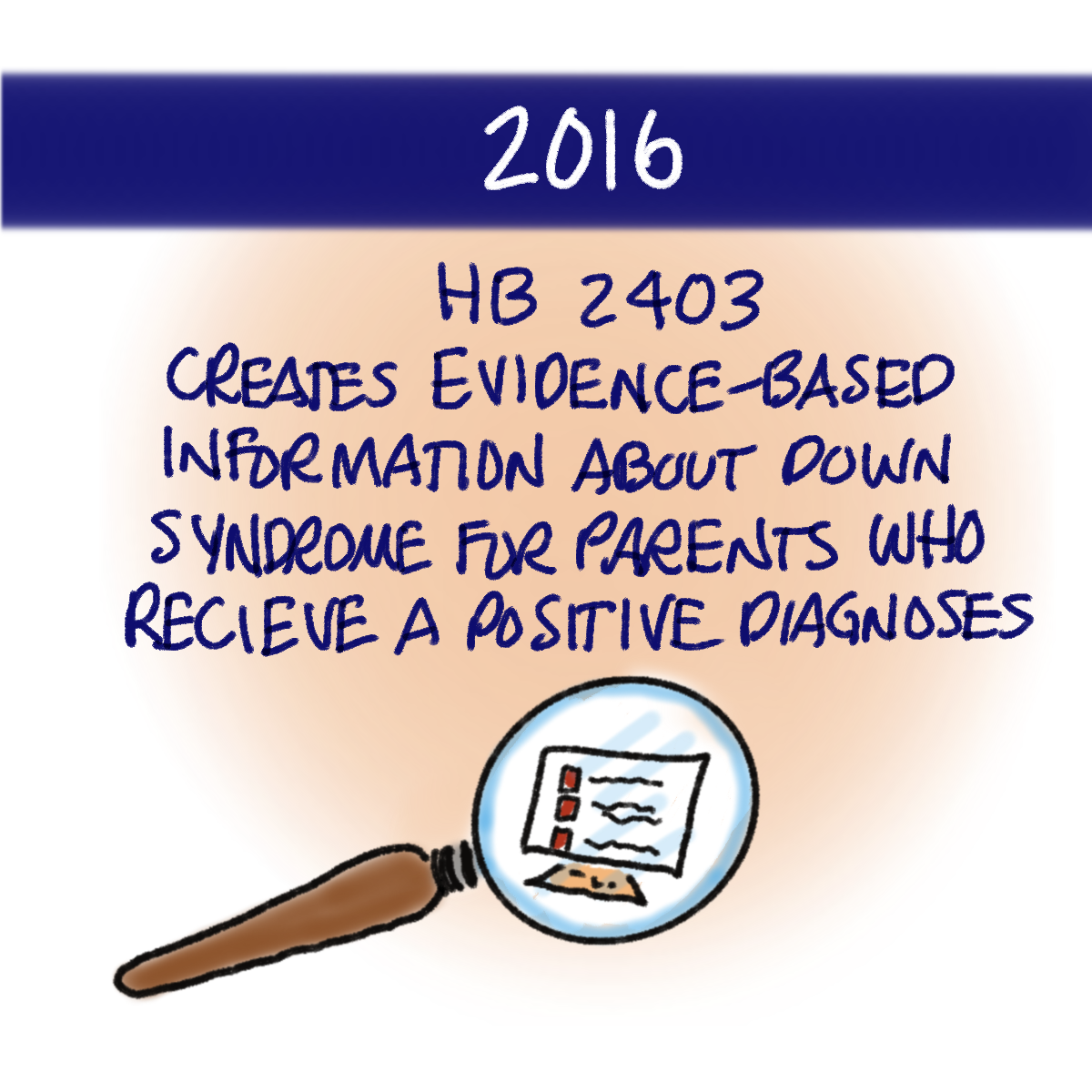
2016: Evidence-based Information for Parents After a Down Syndrome Diagnosis
In 2016, Washington required providers to give families evidence-based information and resources following a Down syndrome diagnosis.
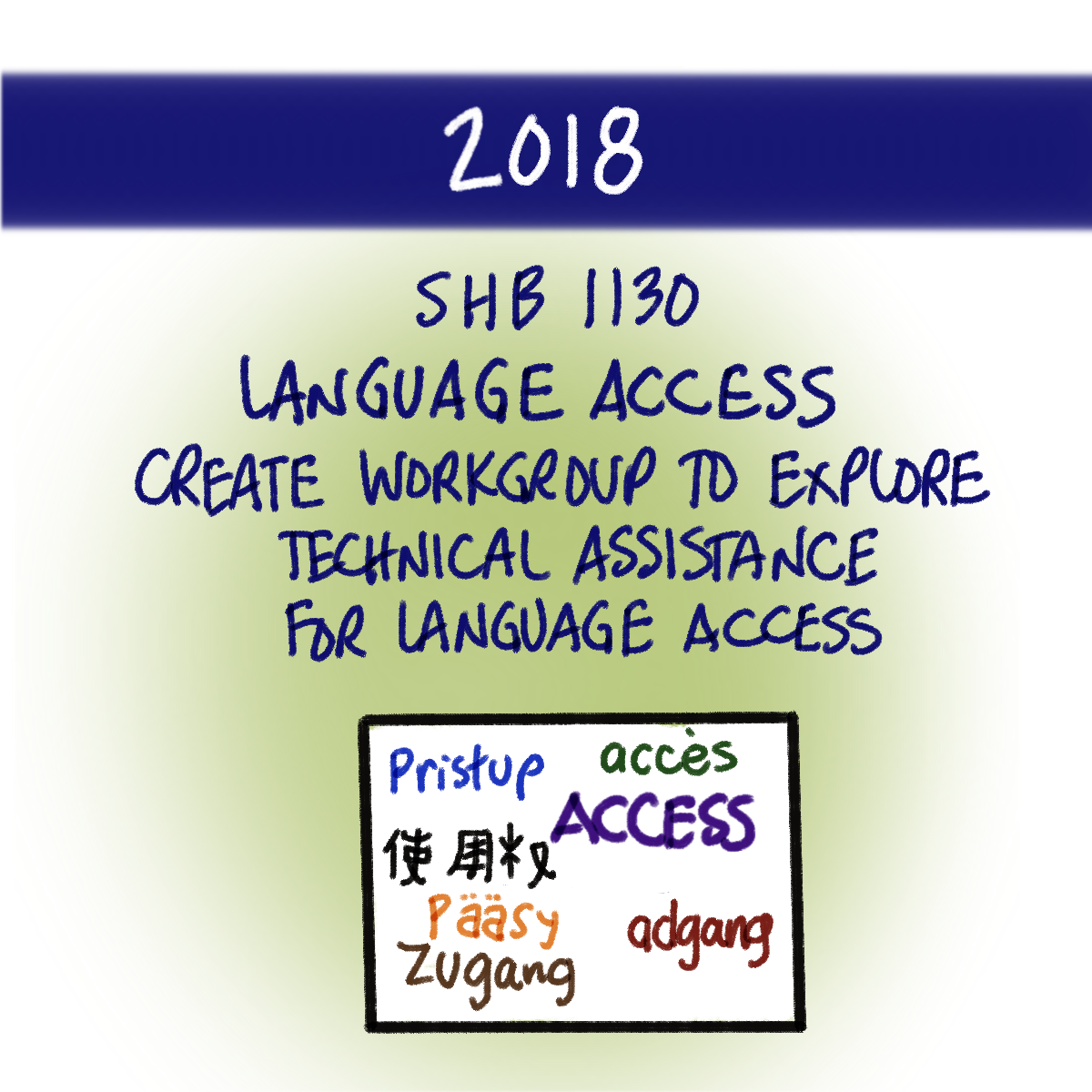
2018: Language Access Workgroup for Schools
In 2018, Washington created a Language Access Workgroup to improve how schools support and communicate with families who have limited English proficiency.
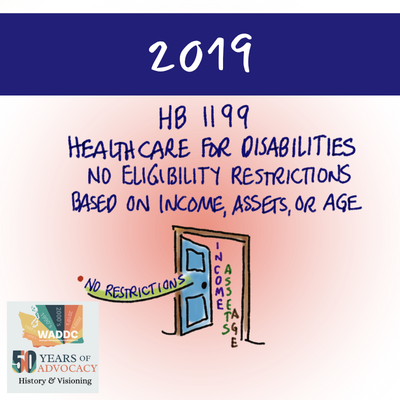
2019: Expanding Access to Apple Health for Workers with Disabilities
In 2019, Washington reinforced access to healthcare for working people with disabilities by ensuring eligibility for the HWD program is not denied based on income or age.
2019: Supported Decision-Making Recognized as an Alternative to Guardianship
In 2019, Washington recognized supported decision-making as an alternative to guardianship, emphasizing autonomy and support over substituted decision-making.
1970-2000 National DD Council History
A timeline from ITACC traces how the DD Act evolved from 1970 to 2000 into a comprehensive civil rights and community-living framework centered on inclusion, self-determination, and strong advocacy roles for DD Councils.
Video Interview - Robert Wardell
Robert Wardell recounts his experience living in two of Washington State's residential habilitation centers (also known as RHC's or institutions) and his journey to living in the community. He also shares some tips for advocacy and his hope for future IDD advocates.
Video Interview - Shawn Latham
Shawn Latham shares his perspective on disability advocacy and systems change. He talks about his own lived experience, his involvement with disability organizations, and what it has meant to be part of advocacy work over time.
Video Interview with Ed Holen
In this interview, former Executive Director of the Washington State Developmental Disabilities Council Ed Holen reflects on his 33 years with the Council, including 28 years as Executive Director
Video Interview - Ivanova Smith
Ivanova Smith shares lived experience growing up in institutional and segregated systems, a journey through special education in Washington, and work advancing disability rights.
Video Interview - Noah Seidel
In this interview, Noah Seidel reflects on how growing up with a lifelong disability led him from campus advocacy at the University of Washington into statewide disability policy work. He discusses his role in advancing legislation, strengthening client rights protections, and building self-advocacy networks across Washington and beyond.
Back to the full archive